
Introduction
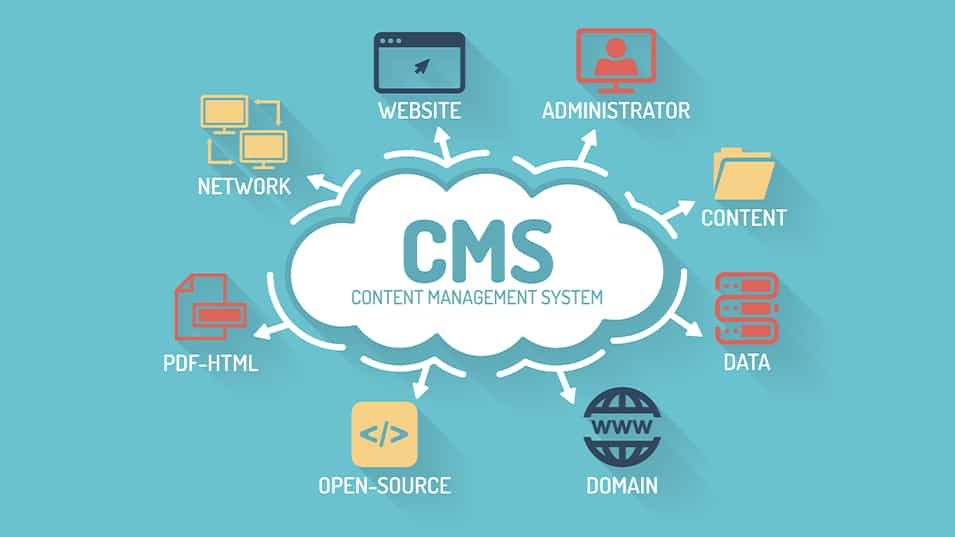
In 2026, the demands on a CMS go beyond simply managing content. Businesses need platforms that combine strong SEO capabilities with content management efficiency. A CMS that excels in both areas allows teams to optimize pages for search engines while streamlining workflows, approving content faster, and maintaining consistent quality across multiple channels. Choosing the right system directly impacts organic visibility, user experience, and team productivity.
Why SEO and Content Management Efficiency Matter
SEO is only effective if your content is delivered consistently and efficiently. For enterprises, large blogs, or e-commerce platforms, content volume, multiple authors, and cross-channel publishing create challenges that can slow optimization efforts. A CMS that supports both SEO best practices and workflow efficiency reduces errors, improves page performance, and allows marketing teams to focus on strategy rather than technical fixes.
WordPress: Flexible and SEO-Friendly
WordPress remains one of the most popular CMS platforms due to its combination of flexibility, ease of use, and SEO support. Its plugin ecosystem enables teams to manage:
- Metadata, titles, and descriptions
- Schema markup and structured data
- Internal linking and redirects
In addition, WordPress allows collaborative content workflows, version control, and scheduling, making it ideal for teams looking to optimize content rapidly without sacrificing SEO.
Drupal: Enterprise-Grade Workflow and SEO Control
Drupal is built for complex content structures and enterprise-level teams. Its modular design allows developers to implement advanced SEO controls like canonical tags, multilingual support, and structured data. At the same time, Drupal offers role-based access, content approval workflows, and content versioning, ensuring efficiency for large content teams. Enterprises relying on high volumes of content benefit from Drupal’s ability to maintain both SEO integrity and operational workflow.
Webflow: SEO-Ready and Designer-Friendly
Webflow bridges the gap between design flexibility and SEO efficiency. Its visual editor allows content teams to make updates quickly while maintaining metadata, canonical URLs, and structured data without technical intervention. The platform is particularly effective for marketing-focused websites, microsites, and campaigns, offering speed and visual clarity alongside strong on-page SEO capabilities.
Shopify: E-Commerce Content and SEO Efficiency
For e-commerce websites, Shopify provides an integrated approach to content and SEO management. Product pages, categories, and blog sections are optimized with mobile-friendly design, structured data, metadata control, and automatic sitemap generation. Shopify’s interface makes it easy for teams to update content across dozens or hundreds of products without compromising SEO, which is critical for online stores that need to scale quickly.
Headless CMS: Maximum Control for Content and SEO
Headless CMS platforms separate content management from the frontend presentation layer, giving developers complete control over SEO implementation and workflow efficiency. Content teams can manage a single source of truth while deploying content across multiple channels, including websites, mobile apps, and digital signage. Combined with frameworks like Next.js or Gatsby, headless CMS enables fast, optimized, and structured content delivery at scale, though it requires technical resources for setup.
Key Features for SEO and Content Management Efficiency
When selecting a CMS that balances SEO and content efficiency, experts recommend looking for:
- Built-in SEO tools for metadata, structured data, and redirects
- Responsive templates to support mobile-first indexing
- Content workflows including version control, approval processes, and scheduling
- Scalable content structures for large catalogs or multi-site setups
- Integration with analytics and marketing automation to measure performance
A CMS that covers these areas ensures high search rankings while reducing operational friction.
Choosing the Right CMS
- WordPress is ideal for flexibility, rapid SEO adjustments, and small to medium teams.
- Drupal excels for enterprise sites requiring governance, multilingual content, and structured SEO workflows.
- Webflow suits marketing-focused teams needing quick design-to-publish capabilities.
- Shopify is perfect for e-commerce businesses requiring content efficiency and automatic SEO optimization.
- Headless CMS fits organizations aiming for multi-channel deployment, speed, and maximum technical SEO control.
Final Thoughts
The best CMS for SEO and content management efficiency combines technical SEO features, workflow automation, and usability. By selecting a platform that supports structured content, metadata management, fast page speed, and collaborative workflows, businesses can improve search rankings, reduce operational friction, and scale content efforts efficiently. In 2026, balancing SEO with content management efficiency is no longer optional—it is essential for competitive visibility and growth.
About the Author


